Here you can find more information on the research projects I am engaged in and the ones that have finished. I am always interested to collaborate on topics that fit my research interests, or to start new projects.
On-going research
Empowering Citizen Collectives in Societal Transitions
The Netherlands faces major challenges like housing, climate change, and the energy transition, while citizens feel less control over their lives and trust in government declines. Citizen collectives, with their distinct institutional logic, can help strengthen local resilience and adaptability in response to these transitions. With their local roots, decentralized decision-making, and innovative approaches, citizen collectives can drive change, provided that governments treat them as equal partners and respect their autonomy. A broad consortium of scientific and societal organizations, including the national government, umbrella organizations, universities, municipalities, and funding bodies, have joined forces to collaborate over the coming years on the research project Empowering Citizen COllectives in societal transitions (ECCO).
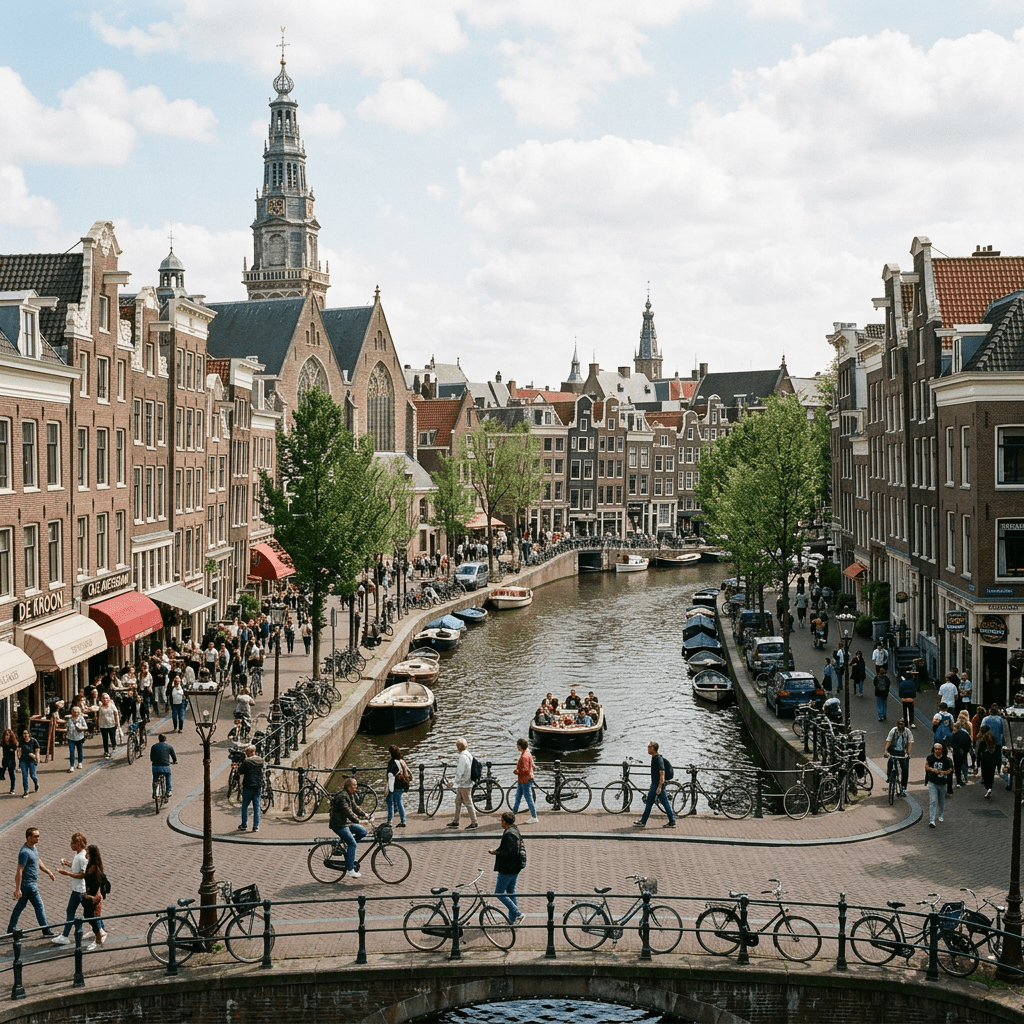
Co-Designing Just, Livable and Inclusive Urban Futures
In light of the vast number of crisis that cities are facing, local governments need to collaborate with residents in shaping urban futures that are just, liveable, and inclusive to all living species. The new Dutch Environmental Act (Omgevingswet) is further pushing the interest in successful collaborations with citizens in urban development. Many contemporary societal challenges that cities face, for example the climate crisis, the fast emergence of AI, or the devastating loss of biodiversity, are so-called wicked problems. Such problems are characterised by their dynamic nature, have multiple problem owners, and do not have one straightforward solution. Design, and co-design specifically, are considered as a suitable approach to dealing with wicked problems. As a result, local governments increasingly draw from design practice in developing urban futures and apply co-design to involve residents in this process.
Empowering Citizen Collectives in Societal Transitions
The Netherlands faces major challenges like housing, climate change, and the energy transition, while citizens feel less control over their lives and trust in government declines. Citizen collectives, with their distinct institutional logic, can help strengthen local resilience and adaptability in response to these transitions. With their local roots, decentralized decision-making, and innovative approaches, citizen collectives can drive change, provided that governments treat them as equal partners and respect their autonomy. A broad consortium of scientific and societal organizations, including the national government, umbrella organizations, universities, municipalities, and funding bodies, have joined forces to collaborate over the coming years on the research project Empowering Citizen COllectives in societal transitions (ECCO).

Citizen Voice
Citizen Voice aims to empower communities for inclusive and meaningful participation in urban planning and design. Advocating for situated engagement approaches over one-size-fits-all solutions, Citizen Voice develops creative transdisciplinary methods and tools to capture perspectives often overlooked in traditional urban data.
Neighbourhood as a Biotope
The Neighbourhood as Biotope project aims to use the power of people, smart technology and data from plants and ecosystems to create healthy and resilient cities. Together with residents of two Dutch neighbourhoods, partners and students, we design new actions for local residents to contribute to more biodiverse cities.
Space for Girls
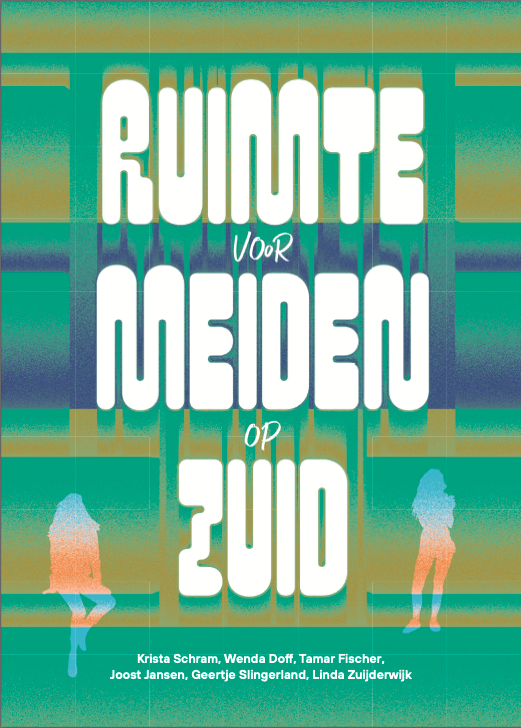
The Space for Girls research studies how (young) women in Rotterdam perceive and use the public space. Utilising academic literature, street interviews, and co-design workshops, interventions and guidelines to make public spaces better fit the needs of women are derived.
Finished projects
Citizen Voices in Biodiversity (BIO-CiVO)
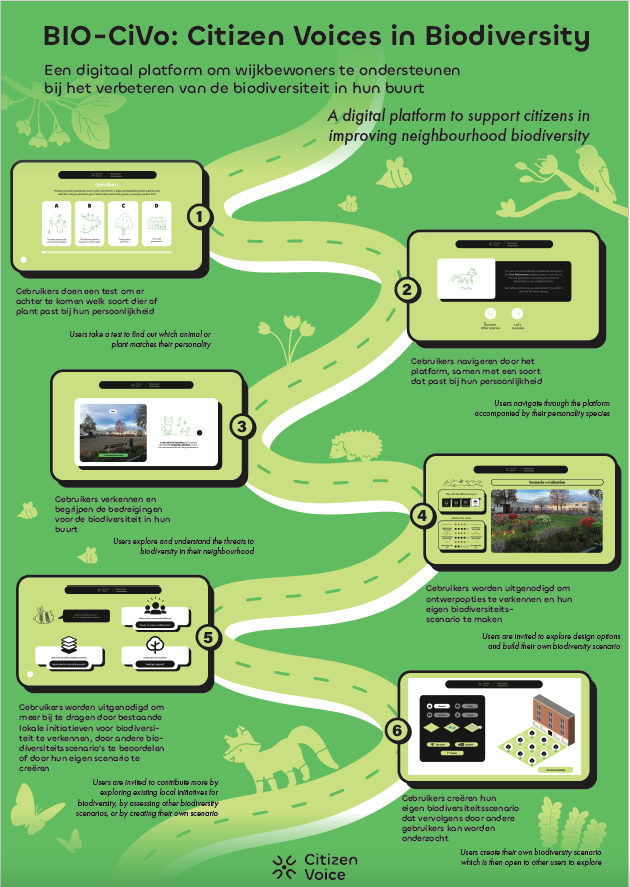
The project BIO-CiVo aims to develop a digital platform enabling citizens to engage in discussions about local biodiversity scenarios and design their own interventions. Building upon a paper prototype used in Oud-Mathenesse, citizens discussed potential actions to increase biodiversity in their neighborhood.

Participatory Place-making
Place-making initiatives have gained momentum in recent years to establish stronger urban communities. This resaerch explored how the knowledge from Participatory Design and place-making may confluence to move from spaces to places in a more inclusive and community-driven way. The project presents a framework for participatory place-making and evaluated using six participatory place-making interventions that were designed, implemented, and evaluated in neighbourhoods in The Hague, Rotterdam, and Cork (Ireland).

